Glow From the Inside: How Real Movement Transforms Your Skin
Ever wonder why some people have that unbeatable natural glow? It’s not just skincare—they move their bodies in ways that wake up circulation, clear toxins, and refresh their complexion from within. I tested it myself: swapping stagnant routines for intentional motion brought visible changes faster than any cream ever did. This isn’t about extreme workouts—it’s about smart, sustainable movement that supports healthy, radiant skin from the inside out. The connection between physical activity and skin health is deeper than many realize, rooted in biology, circulation, and balance. When movement is aligned with the body’s natural rhythms, the results aren’t just felt—they’re seen.
The Skin-Movement Connection: More Than Just Sweat
Healthy, glowing skin begins beneath the surface, where circulation delivers the essential nutrients and oxygen skin cells need to regenerate and thrive. Physical activity plays a pivotal role in enhancing blood flow, acting like a natural internal pump that carries fresh, oxygen-rich blood to the skin’s outermost layers. This increased circulation doesn’t just nourish—it also helps flush out metabolic waste and environmental toxins that can contribute to dullness, breakouts, and uneven tone. While topical products work on the surface, movement supports the foundational processes that determine long-term skin vitality.
Equally important is the lymphatic system, a network responsible for removing cellular debris and excess fluid from tissues. Unlike the circulatory system, which has the heart to drive it, the lymphatic system relies entirely on muscle contractions and movement to function. Without regular physical activity, lymphatic drainage can slow, leading to puffiness—especially around the eyes and jawline—and a congested appearance. Gentle movement, such as walking or rebounding, encourages this system to stay active, promoting clearer, more defined facial contours. This is why many people notice reduced facial bloating after consistent daily walks or light exercise.
Scientific research supports these observations. Studies have shown that individuals who engage in regular moderate exercise tend to have better skin barrier function, improved collagen density, and slower signs of aging compared to sedentary peers. One notable study published in the Journal of Investigative Dermatology found that middle-aged adults who exercised consistently had dermal layers resembling those of much younger individuals. While genetics and sun exposure still play major roles, the data suggests that movement is a powerful modifiable factor in skin health. It’s not a miracle cure, but a consistent, science-backed contributor to lasting radiance.
Why Your Current Routine Might Be Falling Short
Many well-intentioned fitness routines miss the mark when it comes to skin benefits. High-intensity interval training (HIIT), while effective for cardiovascular fitness and fat loss, can sometimes do more harm than good for skin if not balanced with recovery. Intense, frequent workouts elevate cortisol—the body’s primary stress hormone—which, in excess, can trigger inflammation, disrupt the skin’s barrier, and lead to breakouts or redness. For some, especially those already under emotional or lifestyle stress, layering on excessive physical strain may counteract the very benefits they’re seeking.
Another common oversight is the lack of emphasis on recovery and restoration. Skincare enthusiasts may invest in serums and moisturizers but neglect the internal conditions that determine how well those products work. Without proper rest, hydration, and low-stress movement, even the most expensive topical routines may fall short. The body prioritizes survival over aesthetics—when under chronic stress, resources are diverted away from skin repair and toward essential organ function. This means that glowing skin isn’t just about what you apply, but how your body is functioning overall.
Additionally, many people rely solely on short-term cosmetic fixes—peels, masks, or temporary tightening treatments—without addressing the root causes of dullness or uneven texture. These solutions offer momentary improvements but lack longevity. True skin transformation comes from consistent internal support: steady circulation, balanced hormones, and efficient detoxification. Movement, when practiced mindfully and sustainably, provides all three. It’s not about achieving a certain number of steps or reps, but about creating a rhythm of activity that supports the skin’s natural renewal cycle over time.
Facial Fascia and Full-Body Flow: A New Perspective
To understand how movement affects the face, it helps to see the body as an interconnected network rather than a collection of isolated parts. Fascia, a web-like connective tissue that surrounds muscles, organs, and bones, plays a crucial role in this system. It provides structure, transmits force, and supports fluid movement. When fascia becomes tight or restricted—due to poor posture, repetitive motions, or lack of movement—it can pull on facial structures, contributing to tension, sagging, and a tired appearance. This is why addressing full-body movement can have visible effects on the face.
Think of fascia as a full-body suit that links your feet to your face. When you walk with ease, stretch your spine, or release tension in your shoulders, you’re also influencing the fascial lines that extend into the neck and jaw. Over time, restricted movement patterns—like hunching over a desk or clenching the jaw—create habitual tension that shows up as dullness, fine lines, or puffiness. By restoring fluid, dynamic motion throughout the body, you support better fascial health, which in turn promotes improved skin tone and facial contouring. This isn’t about dramatic changes, but subtle, cumulative improvements that enhance natural structure.
Simple practices like rolling the feet with a ball, stretching the chest and shoulders, or doing gentle neck circles can release tension that radiates upward. Even yawning widely or massaging the scalp stimulates fascial release and increases blood flow to the face. These actions may seem small, but their effects are amplified when done consistently. The body responds to repetition—positive or negative. By choosing movements that promote openness and circulation, you signal the body to maintain a state of balance, one that naturally reflects in a brighter, more awake complexion.
The 4 Key Movement Types That Support Radiant Skin
Not all movement is created equal when it comes to skin health. The most effective routines combine variety, consistency, and intention. Four types of movement stand out for their proven ability to support radiant skin: low-impact cardio, dynamic stretching, resistance training, and mindful motion. Each plays a unique role in enhancing circulation, reducing stress, and supporting structural integrity—all of which contribute to a healthy glow.
Low-impact cardio, such as brisk walking, cycling, or swimming, is a cornerstone of skin-supportive movement. These activities elevate heart rate enough to boost circulation without triggering excessive inflammation. Unlike high-intensity workouts that can spike cortisol, moderate aerobic exercise promotes steady blood flow, delivering oxygen and nutrients to skin cells while aiding in the removal of waste. A 30-minute walk each day has been shown to improve microcirculation in the skin, leading to a more even tone and a natural flush. The key is consistency—daily motion, even in small doses, yields better long-term results than sporadic intense sessions.
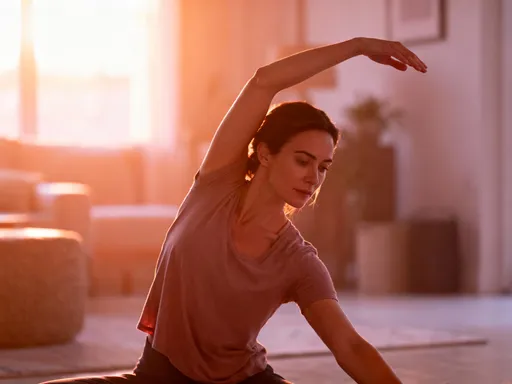
Dynamic stretching—active movements that take joints and muscles through their full range of motion—helps maintain fluidity in the body’s connective tissues. Unlike static stretching, which is best after exercise, dynamic stretches like arm circles, leg swings, or torso twists prepare the body for movement and enhance lymphatic flow. This type of motion reduces stiffness, encourages drainage, and can even alleviate facial tightness caused by tension in the neck and shoulders. Incorporating just five to ten minutes of dynamic stretching in the morning can awaken the body and set the tone for a day of better circulation.
Resistance training, often associated with muscle building, also benefits the skin by improving underlying support. As we age, muscle mass naturally declines, which can lead to sagging and loss of facial definition. Strength training helps maintain muscle tone not just in the limbs, but in the core and back—areas that influence posture and, by extension, how the face appears. Better posture opens up the chest and neck, allowing for improved blood flow and reduced strain on facial muscles. Even light resistance work, such as using bands or bodyweight exercises, can make a noticeable difference over time.
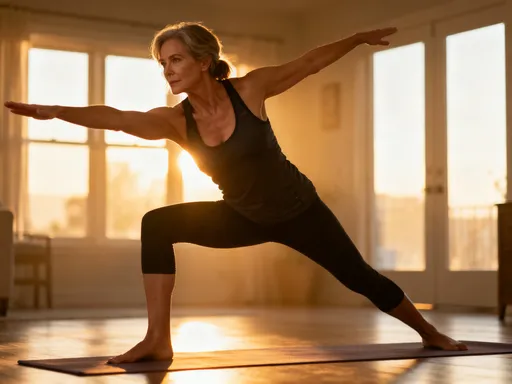
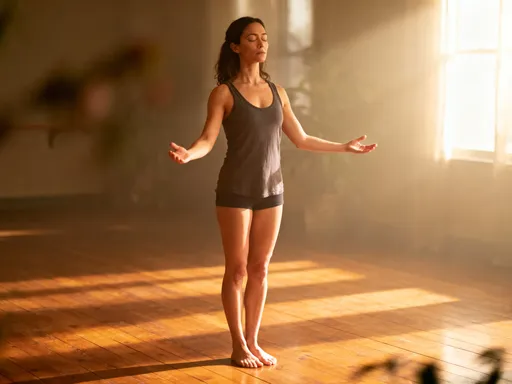
Mindful motion practices like yoga and tai chi offer a dual benefit: they enhance physical flexibility while simultaneously lowering stress hormones. These disciplines emphasize breath, alignment, and gentle, flowing movements that calm the nervous system. Reduced cortisol levels mean less inflammation and fewer breakouts. Additionally, inversions and forward folds in yoga temporarily increase blood flow to the face, giving a natural post-practice glow. The cumulative effect of regular mindful movement is a complexion that looks rested, balanced, and naturally luminous.
Daily Routines That Actually Work: From Desk to Dusk
For many women balancing work, family, and personal responsibilities, finding time for exercise can feel overwhelming. The good news is that skin-supportive movement doesn’t require hours at the gym. Small, intentional actions woven throughout the day can be just as effective—if not more so—than isolated workouts. The goal is not perfection, but integration: making movement a seamless part of daily life.
A sample day might begin with five minutes of gentle stretching—reaching the arms overhead, rolling the shoulders, and rotating the neck. This morning mobility routine wakes up the fascia and prepares the body for the day ahead. Midday, especially for those working at a desk, micro-movements can make a big difference. Standing up every hour to walk in place, stretch the hamstrings, or do a few shoulder rolls keeps circulation active and prevents stagnation. Even a two-minute walk around the house or office can reset energy and improve blood flow to the skin.
Walking meetings, if possible, combine productivity with movement. Talking on the phone while pacing or stepping outside for a call adds steps without requiring extra time. In the late afternoon, when energy often dips, a short walk—especially in natural light—can boost mood and circulation. Evening routines might include a gentle yoga sequence or seated stretches while watching television. These wind-down movements help lower cortisol, support digestion, and prepare the body for restful sleep, which is itself a critical factor in skin repair.
The key is consistency over intensity. A 10-minute walk every day is more beneficial than a single hour-long workout once a week. Over time, these small efforts compound, leading to visible improvements in skin texture, tone, and clarity. The beauty of this approach is its accessibility—it doesn’t depend on equipment, location, or fitness level. It’s about showing up for yourself in simple, sustainable ways that honor your body’s need for motion.
Hydration, Breath, and Motion: The Forgotten Trio
Movement alone is only part of the equation. To maximize its skin-enhancing effects, it must be paired with two often-overlooked allies: hydration and breath. Together, these three elements form a powerful synergy that amplifies circulation, detoxification, and cellular renewal. While skincare products focus on external hydration, internal moisture is what keeps skin plump, resilient, and responsive to movement.
Water is essential for maintaining blood volume and lymphatic flow. When dehydrated, circulation slows, and the skin can appear dry, tight, or lackluster. Drinking adequate water—typically six to eight glasses per day, depending on activity level and climate—ensures that nutrients are efficiently delivered and waste products are flushed out. This becomes even more important during and after physical activity, when fluid loss through sweat increases. Replenishing water supports the detoxifying effects of movement, helping the skin stay clear and balanced.
Breath is equally vital. Deep, diaphragmatic breathing increases oxygen delivery to tissues, including the skin. When we breathe shallowly—common during stress or prolonged sitting—oxygen levels drop, and carbon dioxide builds up, contributing to a dull complexion. Conscious breathing, especially when coordinated with movement, enhances oxygenation and promotes relaxation. Practices like yoga emphasize this connection, teaching individuals to inhale deeply during expansion and exhale fully during release. Even off the mat, taking a few slow, deep breaths throughout the day can reset the nervous system and improve skin vitality.
Combining breath and motion creates a natural rhythm that supports glow without the need for supplements or serums. A simple practice—walking while breathing deeply through the nose and exhaling slowly through the mouth—can elevate mood, reduce stress, and enhance circulation. Over time, this trio of hydration, breath, and motion becomes a self-reinforcing cycle: better movement improves fluid dynamics, better hydration supports movement, and better breath enhances both. It’s a holistic approach that works with the body’s innate intelligence.
Building a Sustainable Practice: Beyond the Hype
One of the biggest challenges in adopting any new habit is staying consistent without burning out. The fitness world often promotes extreme regimens or quick fixes, but true skin radiance comes from balance, not intensity. Sustainable movement isn’t about pushing limits—it’s about listening to your body and honoring its needs. Some days call for a brisk walk, others for gentle stretching or rest. The goal is not to achieve a certain look overnight, but to build a lifestyle that supports long-term health and beauty.
Motivation will naturally ebb and flow. What matters is creating a practice that feels good, not punishing. This might mean adjusting expectations, choosing activities you enjoy, or scheduling movement at times that fit your energy levels. For some, morning exercise sets a positive tone; for others, an evening walk helps unwind. Personalization is key—what works for one person may not work for another, and that’s okay. The most effective routines are those that can be maintained for years, not just weeks.
It’s also important to let go of perfection. Missing a day doesn’t erase progress. Skin health is influenced by cumulative habits, not single actions. Celebrating small wins—like choosing to stretch instead of scrolling, or taking the stairs—builds confidence and reinforces positive behavior. Over time, these choices become second nature, and the glow that follows is not just skin deep. It’s a reflection of self-care, resilience, and quiet commitment to well-being.
True radiance comes from lifestyle synergy—the alignment of movement, hydration, breath, rest, and nutrition. No single factor works in isolation. When these elements come together, they create a foundation for skin that looks and feels its best. This isn’t about chasing trends or comparing yourself to others. It’s about building daily habits that honor your body’s natural systems and allow your inner health to shine through.
In a world full of quick fixes and complex routines, the simplest solution may be the most powerful: move with purpose, breathe with awareness, and hydrate with care. Glowing skin isn’t something you buy—it’s something you cultivate. And it begins not with a product, but with a step, a stretch, a breath. It begins with showing up for yourself, consistently, gently, and with intention.