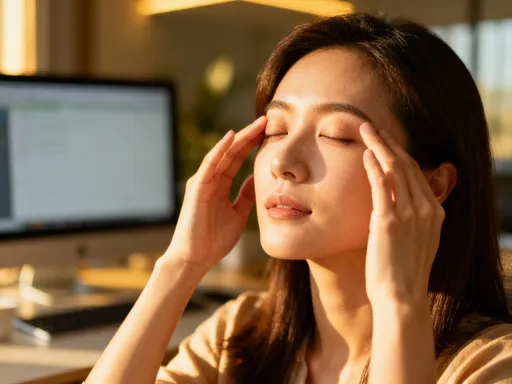
Why Your Eyes Need a Workout Too – A Science-Backed Recovery Journey
You probably stretch your muscles after sitting all day, but what about your eyes? Staring at screens for hours strains your vision in ways you might not notice—until it’s too late. I ignored my eye fatigue until blurred vision and headaches became normal. That’s when I learned: eyes can be trained and healed, just like any other part of the body. Backed by science, simple daily exercises helped me regain focus, reduce discomfort, and improve clarity—naturally. This is what really worked for me.
The Hidden Strain: Why Modern Life Is Ruining Our Eyes
In today’s world, most adults spend more than six hours a day looking at digital screens. Whether it’s a laptop for work, a tablet for reading, or a smartphone for communication, our eyes are under constant demand. This prolonged screen exposure has led to a sharp rise in digital eye strain, also known as computer vision syndrome. Symptoms such as dry eyes, blurred vision, eye fatigue, and headaches are no longer rare—they are routine for millions of people. What many do not realize is that the problem isn’t just the brightness or glare from screens, but the way we use our eyes during screen time. The human eye evolved to shift focus frequently between near and far distances, track moving objects, and adjust to varying light levels. Modern digital environments, however, lock our gaze into a fixed, close-up position for extended periods, weakening the natural flexibility of the eye’s focusing system.
One of the main contributors to eye strain is reduced blinking. When focused on a screen, people blink up to 66% less than in normal conditions. Blinking is essential for spreading tears evenly across the eye surface, keeping it moist and protected. Less blinking leads to dry, irritated eyes and a gritty sensation that many mistake for simple tiredness. Another factor is blue light—a high-energy visible light emitted by digital screens. While not conclusively proven to cause permanent damage, excessive blue light exposure, especially in the evening, can disrupt circadian rhythms and contribute to visual discomfort. More importantly, the constant demand for near focus forces the ciliary muscle, responsible for lens accommodation, to remain contracted for long durations. Over time, this can lead to accommodative spasm, where the muscle struggles to relax, resulting in temporary blurring of distant vision.
The effects of modern screen habits often go unnoticed until symptoms become persistent. A 2021 survey by the American Optometric Association found that over 80% of adults report experiencing at least one symptom of digital eye strain. Children are also increasingly affected as screen time for education and entertainment rises. The danger lies in normalization—many accept eye discomfort as an unavoidable part of modern life. Yet, this chronic strain can lead to long-term issues such as reduced visual stamina, difficulty concentrating, and even increased reliance on corrective lenses. Recognizing these early warning signs is the first step toward prevention. Just as poor posture can lead to back pain, poor visual habits can degrade eye function. The good news is that, unlike many age-related changes, this type of strain is largely reversible with proper care and training.
Your Eyes Are Muscles—And They Need Training
Despite their delicate appearance, eyes are powered by muscles—six extraocular muscles for each eye that control movement in every direction. These muscles work in precise coordination to allow smooth tracking, quick shifts in gaze, and stable fixation. Like any other muscle in the body, they respond to use and exercise. When underused or overstrained in a limited range of motion, they weaken, just as arm or leg muscles do when inactive. The idea that eyes can be strengthened through targeted exercises is supported by decades of research in optometry and neuroscience. Vision scientists have long understood that eye movement is not purely automatic; it is a learned and adaptable skill that can be improved with practice.
Comparing eye training to physical fitness helps clarify why routine matters. Just as lifting weights builds strength and endurance in skeletal muscles, specific eye exercises enhance the strength, coordination, and endurance of ocular muscles. For example, convergence insufficiency—a common condition where the eyes struggle to turn inward when focusing on near objects—can be effectively treated with daily exercises that train the muscles responsible for inward eye movement. Clinical studies show that patients who perform these exercises for 12 weeks experience significant improvement in symptoms and function. Similarly, saccadic training, which involves rapid shifts of gaze between targets, has been used to improve reading speed and visual attention in both children and adults.
Beyond muscle strength, the brain plays a crucial role in vision. Neuroplasticity—the brain’s ability to reorganize and form new neural connections—applies to the visual system as well. When vision is impaired due to injury, illness, or prolonged strain, the brain’s visual processing centers can adapt through rehabilitation. This is why vision therapy is often used in cases of stroke recovery, traumatic brain injury, or amblyopia (lazy eye). The brain learns to interpret visual input more efficiently when given consistent, structured stimulation. This principle also applies to everyday visual fatigue. By engaging in deliberate eye exercises, individuals can retrain their brain-eye coordination, improving focus, reducing strain, and enhancing visual clarity over time. The key is consistency—just as skipping workouts leads to loss of fitness, irregular eye training limits long-term benefits.
What Is Vision Rehabilitation? Beyond Just Rest
Vision rehabilitation is a structured approach to improving eye function through guided exercises and behavioral adjustments. Unlike passive rest, which involves closing the eyes or taking breaks, rehabilitation actively engages the visual system to restore strength, coordination, and flexibility. It is not a new concept—vision therapy has been used for decades in clinical settings to treat binocular vision disorders, eye movement problems, and visual processing issues. However, its application has expanded beyond medical cases to address the growing epidemic of digital eye strain. The goal is not just symptom relief, but long-term resilience in visual performance.
One of the most commonly recommended passive strategies is the 20-20-20 rule: every 20 minutes, look at something 20 feet away for at least 20 seconds. While helpful, this method alone does not strengthen eye muscles or improve coordination. It provides temporary relief by allowing the ciliary muscle to relax, but it does not challenge the visual system to adapt or grow stronger. In contrast, active vision rehabilitation involves exercises that require effort, focus, and repetition. These exercises are designed to target specific visual skills such as convergence (both eyes turning inward), accommodation (focusing at different distances), and ocular motility (smooth and accurate eye movements).
Clinical vision therapy is typically supervised by optometrists specializing in behavioral or developmental vision care. It often includes the use of prisms, lenses, and computer-based training programs to provide feedback and progression. However, many effective exercises can be done at home with minimal equipment. The growing accessibility of evidence-based techniques has empowered individuals to take charge of their eye health. Research published in the journal Optometry and Vision Science confirms that home-based vision exercises, when performed correctly and consistently, lead to measurable improvements in visual function. For those experiencing chronic eye strain, integrating active rehabilitation into daily life offers a proactive alternative to merely managing symptoms with artificial tears or screen filters.
Proven Exercises That Actually Work
Several research-supported exercises have been shown to improve eye function and reduce symptoms of digital eye strain. Among the most effective are pencil push-ups, near-far focusing, and lateral tracking. Pencil push-ups are a simple yet powerful exercise for strengthening convergence. To perform them, hold a pencil at arm’s length directly in front of your nose. Slowly bring it closer while keeping it in focus and ensuring you see only one pencil (not double). Stop when the image doubles or becomes blurry, then slowly move it back out. Repeat for 5–10 minutes daily. Studies show that patients with convergence insufficiency who do this exercise daily for six to twelve weeks experience significant improvement in symptoms and test performance.
Near-far focusing, also known as accommodative training, helps restore the eye’s ability to shift focus between distances. Stand or sit about three feet from a small printed word on a wall. Hold another word at arm’s length. Focus on the near word for three seconds, then shift focus to the distant one. Repeat this cycle 10–20 times per session, ideally twice a day. This exercise trains the ciliary muscle to contract and relax efficiently, reducing the risk of accommodative spasm. A 2019 clinical trial found that adults who practiced near-far focusing for eight weeks reported less eye strain and improved reading comfort compared to a control group.
Lateral tracking exercises improve smooth pursuit movements—the ability to follow a moving object without jerking or losing focus. Sit comfortably and hold a finger about 18 inches from your face. Move it slowly from left to right and back again, keeping your head still and your eyes locked on the fingertip. Perform this for 2–3 minutes, gradually increasing speed and range. This enhances coordination between the extraocular muscles and supports better visual tracking during reading or screen use. For optimal results, these exercises should be done daily. Most people begin to notice improvements in focus and comfort within three to six weeks. Consistency is critical—like any training program, skipping days reduces effectiveness. Performing them at the same time each day, such as during morning coffee or work breaks, helps build lasting habits.
The Role of Lifestyle in Eye Recovery
Eye exercises alone are not enough—lifestyle factors play a vital role in supporting visual recovery. Sleep is one of the most important. During deep sleep, the eyes are replenished with oxygen and nutrients, and the visual system undergoes repair and consolidation. Chronic sleep deprivation impairs tear production, reduces blink efficiency, and diminishes visual processing speed. Adults who sleep less than six hours per night are more likely to report eye strain and dryness. Prioritizing seven to eight hours of quality sleep each night creates a foundation for eye health.
Hydration is equally essential. The tear film that coats the eye surface consists of water, oils, and mucus. Dehydration reduces tear volume, leading to dry, irritated eyes. Drinking adequate water throughout the day—typically six to eight glasses—helps maintain optimal tear production. Limiting caffeine and alcohol, which can contribute to fluid loss, further supports eye comfort. Additionally, screen hygiene makes a significant difference. Adjusting screen brightness to match ambient light, increasing text size, and using matte screen filters reduce glare and visual demand. Positioning the screen slightly below eye level and about 20–28 inches away encourages a natural, relaxed gaze.
Nutrition also directly impacts eye function. Omega-3 fatty acids, found in fatty fish, flaxseeds, and walnuts, support tear film stability and reduce inflammation associated with dry eye. Lutein and zeaxanthin, antioxidants concentrated in the macula, protect the retina from oxidative stress and blue light exposure. Leafy greens like spinach and kale are rich sources. Vitamin C, vitamin E, and zinc also contribute to long-term retinal health. While supplements are available, whole foods provide a broader spectrum of nutrients. Combining a nutrient-rich diet with regular eye exercises and proper screen habits creates a comprehensive approach to eye recovery. Natural light exposure during the day further enhances visual regulation by supporting circadian rhythms and promoting dopamine release in the retina, which helps maintain healthy eye development and function.
When to Seek Professional Help
While self-guided eye exercises can be highly effective, they are not a substitute for professional medical care. Certain symptoms indicate the need for immediate evaluation by an eye care specialist. Double vision, especially if it appears suddenly, may signal neurological or muscular issues requiring prompt diagnosis. Persistent eye pain, not relieved by rest or lubrication, could indicate inflammation, infection, or elevated intraocular pressure. Sudden changes in vision—such as blind spots, flashes of light, or distorted images—should never be ignored, as they may be signs of retinal detachment or other serious conditions.
Children and adults with a history of strabismus (eye turn), amblyopia, or learning-related vision problems should consult a developmental optometrist before starting any exercise program. A professional can assess binocular vision function, eye alignment, and focusing ability to create a personalized rehabilitation plan. In some cases, vision therapy may include specialized lenses, prisms, or in-office sessions to address complex visual processing challenges. Even for those without diagnosed conditions, an annual eye exam is essential for detecting subtle changes in vision and eye health.
Optometrists trained in vision therapy can also provide guidance on proper technique, ensuring exercises are performed correctly to avoid strain or compensation. For example, some individuals may unknowingly tilt their head or squint during convergence exercises, reducing effectiveness. A professional can correct these habits and monitor progress over time. Telehealth consultations have made access to vision specialists more convenient, especially for those in remote areas. Seeking help early, rather than waiting for symptoms to worsen, leads to better outcomes and faster recovery. Eye health is not something to manage in isolation—integrating self-care with expert guidance ensures a safe and effective path to improved vision.
Making It Stick: Building a Sustainable Eye Care Routine
The greatest challenge in eye rehabilitation is consistency. Like any health habit, eye exercises only work when practiced regularly. Behavioral science shows that habits are more likely to stick when they are tied to existing routines. For example, doing pencil push-ups during morning coffee, near-far focusing during a lunch break, or blinking exercises before bedtime can help integrate them into daily life. Setting reminders or using habit-tracking apps can also reinforce adherence. Starting with just five minutes a day makes the routine feel manageable, increasing the likelihood of long-term success.
Motivation plays a key role. Tracking small improvements—such as reduced eye dryness, easier focus shifts, or fewer headaches—helps maintain engagement. Keeping a simple journal or using a symptom checklist can make progress visible. Sharing the journey with a family member or coworker adds accountability and support. Over time, these exercises become less of a chore and more of a natural part of self-care, like brushing teeth or stretching after sitting.
The long-term benefits extend beyond comfort. Stronger eye muscles, better coordination, and improved visual processing enhance daily performance—reading becomes easier, screen work feels less taxing, and overall visual clarity improves. Children may find it easier to concentrate in school, and adults may experience greater productivity at work. Most importantly, a proactive approach fosters visual resilience, reducing the risk of chronic strain and supporting lifelong eye health. Vision is not static—it is dynamic, adaptable, and responsive to care.
Eye health isn’t just about avoiding damage—it’s about actively strengthening your vision. With science on our side, small, consistent actions can lead to real improvements. Your eyes work hard every second; it’s time to give them the recovery they deserve. Start today, stay consistent, and see the difference unfold.