Move Your Way to Better Health: My Simple Start
You know that feeling when your body just aches for movement, even if you don’t realize it? I used to hit snooze on my alarm, dreading any kind of workout. But when I finally started moving—just a little—the shift was real. Energy crept in, stress faded, and I felt stronger, not just physically. Turns out, regular movement isn’t about extreme routines. It’s about consistency, small wins, and protecting your long-term health in the most natural way possible. This journey isn’t about perfection or performance. It’s about showing up for yourself, one step at a time, and discovering how movement can quietly transform your life from the inside out.
The Wake-Up Call: Why Inactivity Is Riskier Than You Think
Sedentary living has quietly become one of the most dangerous habits of modern life. While it may seem harmless to sit through the workday, lounge in the evening, and spend weekends catching up on rest, the body pays a steep price. Research from the World Health Organization and the American Heart Association consistently shows that physical inactivity is a leading risk factor for chronic diseases. In fact, prolonged sitting has been linked to a higher risk of heart disease, type 2 diabetes, certain cancers, and even early mortality. Some studies have compared the health impact of a sedentary lifestyle to that of smoking, not because sitting literally causes the same damage, but because both behaviors significantly increase the likelihood of preventable illness.
The human body is designed to move. When it remains inactive for long periods, metabolic processes slow down. Blood circulation becomes less efficient, insulin sensitivity decreases, and muscles begin to weaken. Even individuals who exercise occasionally can fall into this trap if they spend the majority of their day seated. This phenomenon is sometimes referred to as the “active couch potato” effect—someone who meets weekly exercise guidelines but still faces health risks due to excessive sitting. The body interprets inactivity as a signal that energy conservation is needed, which can lead to fat accumulation, reduced muscle mass, and sluggish organ function.
What makes inactivity so dangerous is its invisibility. Unlike acute injuries or illnesses, the effects of a sedentary lifestyle accumulate silently over years. A woman in her early 40s might not notice anything wrong until her annual check-up reveals elevated blood pressure or blood sugar levels. By then, the body has already undergone subtle but significant changes. The good news is that the solution doesn’t require drastic measures. Simply interrupting long periods of sitting with brief movement breaks—standing up, stretching, walking to the kitchen—can begin to reverse these effects. Movement acts as a natural reset for the body’s systems, helping to regulate blood flow, improve glucose metabolism, and support joint health.
Understanding inactivity as a modifiable risk factor is empowering. It means that even small changes can have a meaningful impact. You don’t need to run marathons or join intense fitness programs to protect your health. What matters most is consistency—making movement a regular part of daily life. The shift begins with awareness: recognizing that sitting is not neutral. Every hour spent motionless is an opportunity lost to support your body’s natural rhythms. By reframing movement as preventive medicine, you begin to see it not as a chore, but as a vital form of self-care.
My “I Can’t Even” Moment: How I Started from Zero
There was a time when climbing a flight of stairs left me breathless. Not winded, not slightly tired—genuinely out of breath, gripping the railing, heart pounding. I remember standing at the top, embarrassed and frustrated, wondering when my body had become so unfamiliar to me. I wasn’t overweight, I ate fairly well, and I considered myself responsible about health. But that moment was a wake-up call. I realized I had stopped listening to my body. I had normalized fatigue, dismissed aches as part of aging, and accepted low energy as just how life was supposed to feel after 40.
Like many women juggling family, work, and household responsibilities, I had pushed movement to the bottom of my priority list. Exercise felt like one more demand on an already full schedule. I told myself I didn’t have time, that I was too tired, or that I didn’t know where to start. I tried a few workouts—videos, walking apps, even a gym membership—but each attempt fizzled out within weeks. The motivation would fade, the guilt would creep in, and I’d fall back into the same routine. The cycle repeated: good intentions, short effort, discouragement, and surrender.
What finally changed was shifting my mindset. Instead of aiming for dramatic transformation, I began to focus on simply feeling better. I stopped thinking about weight loss or fitness goals and asked myself a different question: “What would make me feel stronger today?” That small shift removed the pressure of perfection. I didn’t need to be athletic or disciplined. I just needed to move, in whatever way felt possible. My first real step was a five-minute walk around the block after dinner. It wasn’t impressive, but it was something. And for the first time in years, I noticed how the cool evening air cleared my mind and how my legs felt more awake afterward.
This experience taught me that starting from zero isn’t failure—it’s honesty. Many women struggle with the same feelings of inadequacy, fatigue, and confusion about where to begin. The truth is, everyone starts somewhere, and no two journeys look the same. What matters isn’t how fast you go or how far you walk, but that you begin. Acknowledging your current reality, without judgment, is the first step toward lasting change. It’s okay to feel out of shape. It’s okay to be inconsistent at first. What’s not okay is letting those feelings keep you stuck.
The 10-Minute Rule: Building a Habit Without Burning Out
One of the most effective strategies I discovered was the 10-minute rule: commit to just ten minutes of movement each day. This simple guideline removed the mental barrier of “I don’t have time” or “I’m too tired for a full workout.” Ten minutes is manageable—even on the busiest or most exhausting days. The beauty of this approach lies in its psychological effect. When you tell yourself you only have to do ten minutes, you’re more likely to start. And once you begin, you often end up doing more. But even if you stop at ten, you’ve still shown up for your body.
Science supports this method. Research in behavioral psychology shows that habits are built through repetition, not intensity. The brain learns through consistency, not duration. When you perform a small action daily, your neural pathways begin to associate that behavior with routine, making it easier over time. This is known as habit stacking—linking a new behavior to an existing one. For example, pairing your ten-minute walk with your morning coffee or doing light stretches after brushing your teeth creates a natural trigger. Over time, the action becomes automatic, requiring less willpower to maintain.
The 10-minute rule also protects against burnout, a common reason people abandon exercise. Many beginners make the mistake of starting too aggressively—long workouts, intense routines, strict schedules—only to feel sore, overwhelmed, or discouraged. When progress doesn’t match expectations, motivation plummets. But starting small builds confidence. Each completed session, no matter how brief, reinforces the belief that you can do it. That sense of accomplishment is far more powerful than any fitness tracker measurement.
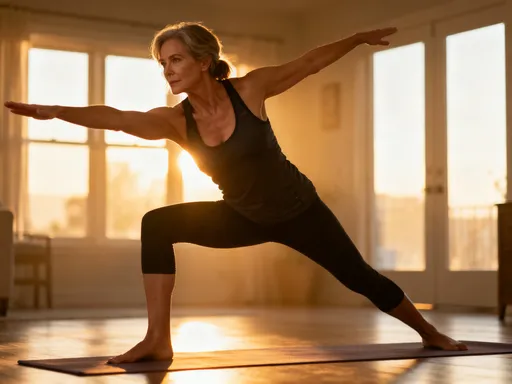
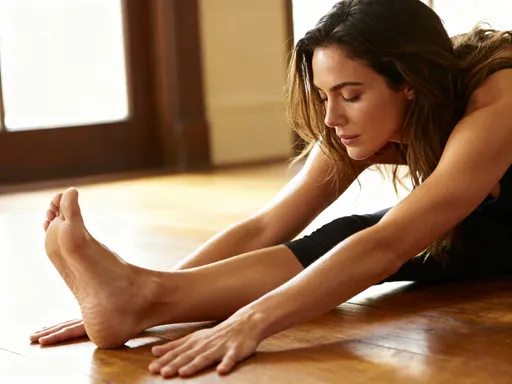
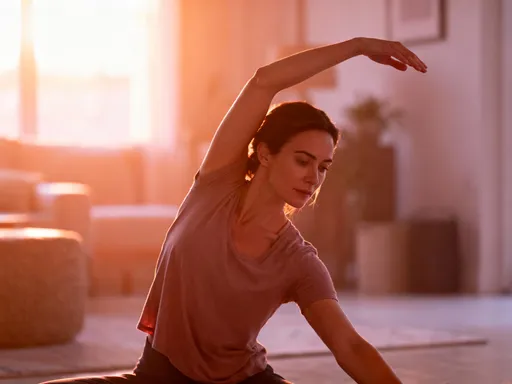
Examples of 10-minute activities include brisk walking around the neighborhood, following a short online stretching video, doing gentle yoga on the living room floor, or even dancing to two or three favorite songs. The key is to choose something enjoyable and accessible. You don’t need special equipment or a gym. You just need the willingness to move. Over time, as your energy improves and your body adapts, those ten minutes may naturally extend to fifteen or twenty. But the foundation remains the same: consistency over intensity, showing up over perfection.
Finding Your Fit: Types of Movement That Actually Feel Good
One of the biggest misconceptions about fitness is that it has to look a certain way. For years, I believed that real exercise meant running, lifting weights, or attending high-intensity classes. I avoided anything that didn’t fit that mold, even though those activities never felt sustainable or enjoyable. It wasn’t until I broadened my definition of movement that I found something I could stick with. The truth is, fitness isn’t one-size-fits-all. What works for one person may not work for another, and that’s perfectly okay.
Enjoyable movement is more likely to become a lasting habit. When an activity feels good—physically and emotionally—you’re more likely to return to it. For some women, that might mean walking in nature, where fresh air and greenery provide both physical and mental benefits. For others, it could be gardening, which combines gentle stretching, strength work, and the satisfaction of nurturing plants. Dancing at home to favorite music is another powerful option—it boosts heart rate, improves coordination, and lifts mood through the release of endorphins.
Other accessible forms of movement include swimming, cycling, tai chi, or even household chores done with intention. Vacuuming with deep bends, carrying groceries up stairs, or playing with grandchildren all count as physical activity. The goal isn’t to label it as “exercise” but to recognize that movement is woven into daily life. Low-impact activities are especially valuable for women over 30, as they support joint health, improve balance, and reduce the risk of injury. Water aerobics, for example, provides resistance training with minimal strain on the knees and hips.
The important thing is to experiment and pay attention to how different activities make you feel. Does your energy rise afterward? Do you feel calmer, stronger, or more centered? These are better indicators of progress than the number on a scale. When movement feels like a gift rather than a punishment, it becomes something you look forward to, not dread. By exploring different options, you increase the chances of finding a rhythm that fits your lifestyle, preferences, and physical needs.
Listening to Your Body: Signs You’re Doing It Right (or Too Much)
Learning to listen to your body is one of the most important skills in building a sustainable movement practice. Many beginners make the mistake of pushing too hard, believing that more pain means more progress. But that mindset can lead to injury, burnout, and discouragement. The body communicates through signals—some subtle, some urgent—and understanding them is key to long-term success. For example, mild muscle soreness the day after activity is normal and indicates that muscles are adapting. But sharp pain, joint discomfort, or persistent fatigue are warning signs that something is wrong.
Recovery is just as important as movement. During rest, the body repairs tissues, replenishes energy stores, and strengthens the immune system. Without adequate recovery, even moderate activity can become harmful. This is especially true for women balancing multiple roles, as stress from other areas of life can amplify physical strain. Signs that you may be overdoing it include trouble sleeping, irritability, decreased motivation, and frequent illness. These are not signs of weakness—they are signals that your body needs balance.
Mindfulness during movement can enhance this awareness. Instead of rushing through a workout while distracted by a phone or TV, try focusing on your breath, your posture, and how your body feels in each moment. Are your shoulders tense? Is your breathing shallow? Are your feet landing softly? These small observations help you move with intention and reduce the risk of strain. They also create a sense of connection between mind and body, which can improve mental clarity and emotional well-being.
It’s also important to accept that some days will be easier than others. Energy levels fluctuate due to hormones, sleep, stress, and life circumstances. On low-energy days, a gentle stretch or short walk may be all you can manage—and that’s enough. The goal is not to achieve a certain standard every day, but to maintain a consistent relationship with movement. By honoring your body’s needs, you build trust and resilience. You learn that progress isn’t linear, and that rest is not failure, but a necessary part of growth.
Making It Stick: Environment, Routine, and Tiny Wins
Habits thrive in supportive environments. If your workout clothes are buried in a drawer, your walking shoes are by the back door, or your yoga mat is rolled up in the closet, the effort required to start is much higher. Small environmental changes can dramatically increase the likelihood of success. Laying out your clothes the night before, keeping a pair of sneakers by the front door, or scheduling movement on your calendar like any other appointment reduces friction and makes it easier to follow through.
Routine is another powerful tool. The brain loves predictability. When movement becomes part of your daily rhythm—like brushing your teeth or making coffee—it requires less decision-making. Pairing activity with an existing habit, such as walking after lunch or doing stretches while waiting for dinner to cook, strengthens the neural connection. Over time, the cue triggers the behavior automatically. This is why consistency matters more than duration. Ten minutes every day is more effective than one hour once a week.
Tracking progress in non-scale ways can also boost motivation. Instead of focusing on weight, notice how your energy feels, how your sleep has improved, or how you can now walk up stairs without getting winded. These are real, meaningful changes. Celebrating small victories—like completing a week of daily movement or trying a new activity—reinforces positive behavior. Keeping a simple journal or using a habit tracker can help you see your progress over time, even when it feels slow.
Support also plays a role. Walking with a friend, joining a community class, or sharing your journey with a family member can provide accountability and encouragement. But even without external support, the most important relationship is the one you build with yourself. Each time you choose movement, you send a message: “I matter. My health matters.” That quiet commitment, repeated day after day, creates lasting change.
Movement as a Lifelong Shield: How Daily Steps Build Resilience
Looking back, the most profound benefit of regular movement hasn’t been how I look, but how I feel—stronger, calmer, more capable. What began as a small attempt to feel less tired has grown into a daily act of self-respect. Movement is no longer something I do to fix myself, but something I do to honor myself. It’s a form of protection, a way of investing in my future health with every step, stretch, and breath.
Scientific evidence confirms that regular physical activity strengthens the body’s defenses. It helps regulate blood pressure, improves insulin sensitivity, supports immune function, and reduces inflammation—all of which lower the risk of chronic disease. It also enhances mental clarity, reduces symptoms of anxiety and depression, and improves sleep quality. These benefits compound over time, creating a foundation of resilience that serves women well into later life.
The most powerful aspect of movement is that it’s within reach for nearly everyone. You don’t need expensive equipment, a gym membership, or perfect health to begin. You just need the willingness to start small and keep going. Every minute of movement adds up. Every choice to stand instead of sit, to walk instead of drive, to stretch instead of scroll—it all matters.
In the end, movement is not about achieving a certain body type or meeting societal expectations. It’s about feeling alive in your body, about having the strength to enjoy life’s moments—playing with children, traveling, gardening, dancing at a wedding. It’s about showing up for yourself today so you can continue to show up for others tomorrow. When you move, you’re not just exercising. You’re making a quiet, powerful promise to your future self: that you will care for the only body you have, one step at a time.