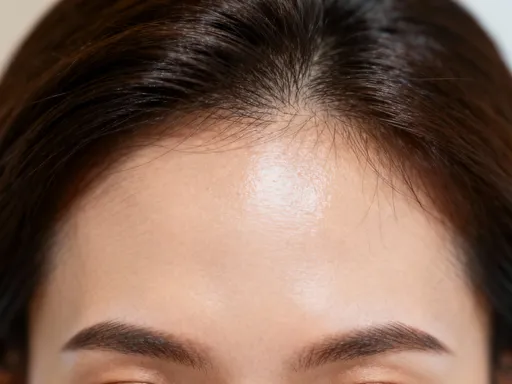
Why Scalp Science Changed My Hair Journey Forever
Losing hair can feel personal, even isolating. I used to think it was just genetics—until I started digging into the science behind scalp health. What I found wasn’t magic, but real, research-backed shifts in how we care for our hair. It’s not about hiding thinning; it’s about understanding root causes. From inflammation to follicle stress, managing hair concerns starts with smarter habits grounded in biology. This is how I redefined my routine—and how you can too.
The Hidden Problem Beneath the Surface
Hair loss is often misunderstood as a cosmetic issue, when in reality, it can be a visible sign of deeper imbalances within the scalp environment. Many people assume that shedding strands are simply the result of aging or inherited traits, but this narrow view overlooks critical biological factors at play. The scalp is not just a passive foundation for hair; it is an active, dynamic organ influenced by inflammation, oil production, microbial communities, and hormonal activity. When these systems fall out of balance, hair follicles can become compromised, leading to thinning, slowed growth, or even permanent miniaturization.
One of the most common yet overlooked triggers of hair concerns is chronic inflammation. Unlike acute inflammation, which is a short-term response to injury or infection, chronic inflammation operates silently beneath the surface. It can disrupt the hair growth cycle by shortening the anagen (growth) phase and prolonging the telogen (resting) phase. Over time, this shift leads to increased shedding and reduced density. Research has shown that inflammatory markers are often elevated in individuals experiencing pattern hair loss, suggesting that addressing inflammation may be a key component in effective management.
Another significant factor is sebum buildup. Sebum, the natural oil produced by sebaceous glands, helps protect and moisturize the scalp. However, when produced in excess or not properly cleared, it can mix with dead skin cells and environmental pollutants to form a film that clogs hair follicles. This blockage restricts oxygen and nutrient flow to the roots, creating an environment where follicles struggle to thrive. In some cases, this condition can mimic dandruff but is actually a more complex issue related to scalp hygiene and product residue accumulation.
Microbial imbalance also plays a crucial role. The scalp hosts a diverse community of bacteria and fungi, much like the gut microbiome. A healthy microbial balance supports skin barrier function and prevents overgrowth of harmful organisms. However, disruptions caused by harsh shampoos, stress, or environmental changes can allow certain microbes, such as Malassezia yeast, to proliferate. While Malassezia is naturally present, its overgrowth has been associated with scalp irritation, flaking, and inflammation—all of which can negatively impact hair health.
Hormonal shifts further complicate the picture. For many women, especially during perimenopause and menopause, fluctuations in estrogen and progesterone levels can alter hair texture, density, and growth patterns. Androgens, particularly dihydrotestosterone (DHT), can bind to genetically sensitive follicles and gradually shrink them over time. While hormones are often seen as an unchangeable fate, emerging science suggests that lifestyle and targeted care can modulate their effects, offering hope beyond resignation.
Traditional hair care products frequently fail because they focus on surface-level solutions rather than addressing these underlying causes. Most shampoos and conditioners are designed to improve shine, reduce frizz, or add volume, but they do little to correct inflammation, restore pH balance, or support follicle health. As a result, individuals may continue using products that mask symptoms while the root issues persist. This disconnect between appearance and biology explains why so many people feel frustrated despite investing in high-end hair care.
A real-life example illustrates this gap. A woman in her early 40s began noticing more hair on her brush and wider partings in her hair. She assumed it was simply a sign of aging and tried switching to volumizing products. Months passed with no improvement, and her hair continued to thin. Only after consulting a specialist did she learn she was in the early stages of androgenetic alopecia, a condition influenced by both genetics and scalp environment. With a new understanding, she shifted from cosmetic fixes to a science-based regimen focused on reducing inflammation and supporting follicle function. Within months, she noticed less shedding and improved regrowth, proving that early intervention grounded in biology can make a meaningful difference.
How Science Reframes Hair Health
The growing field of scalp science is transforming how we understand hair health. Rather than viewing the scalp as a static platform for hair growth, researchers now recognize it as a living ecosystem that requires balance, nourishment, and protection. This shift in perspective emphasizes that healthy hair begins not with styling or supplements alone, but with the biological conditions of the scalp itself. Just as gut health influences overall wellness, scalp health directly impacts the strength, thickness, and resilience of hair.
Central to this new understanding is the concept of the scalp microbiome. Like the gut, the scalp hosts trillions of microorganisms, including bacteria, fungi, and viruses, that interact with the skin’s immune system. A balanced microbiome helps maintain the skin’s natural barrier, preventing irritation and infection. When this balance is disrupted—by overwashing, underwashing, or the use of harsh chemicals—it can lead to inflammation, dryness, or excess oil. Studies have shown that individuals with healthier scalp microbiomes tend to experience fewer issues with flaking, itching, and hair thinning, underscoring the importance of microbial harmony.
pH balance is another critical factor. The scalp’s natural pH ranges between 4.5 and 5.5, making it slightly acidic. This acidity helps protect against harmful bacteria and supports the integrity of the skin barrier. However, many commercial shampoos have a higher, more alkaline pH, which can strip the scalp of its natural oils and disrupt its protective layer. Repeated use of such products can lead to dryness, irritation, and increased susceptibility to microbial overgrowth. Switching to pH-balanced cleansers has been shown in clinical settings to improve scalp comfort and reduce flaking, creating a more favorable environment for hair growth.
Blood circulation is equally vital. Hair follicles require a steady supply of oxygen and nutrients to function optimally. Poor circulation, often linked to sedentary lifestyles or chronic stress, can impair this delivery system. Research using Doppler imaging has demonstrated that individuals with better scalp blood flow tend to have stronger, denser hair. Techniques such as regular scalp massage and moderate exercise have been shown to enhance circulation, supporting follicle nutrition and waste removal. These findings highlight the interconnectedness of systemic health and hair vitality.
Scientific studies have also confirmed a direct link between scalp inflammation and follicle miniaturization. Inflammatory cytokines, such as interleukin-1 and tumor necrosis factor-alpha, can damage the hair follicle matrix and disrupt the growth cycle. Over time, this damage leads to progressively thinner hairs and shorter growth phases. Anti-inflammatory ingredients like niacinamide and green tea extract have been studied for their ability to calm the scalp and protect follicles, offering a targeted approach to preserving hair density.
Hormonal patterns, particularly sensitivity to DHT, remain a significant influence on hair growth cycles. While DHT is a normal byproduct of testosterone metabolism, it can bind to receptors in genetically predisposed follicles, triggering a process known as miniaturization. However, science now shows that DHT sensitivity is not an inevitable sentence. Lifestyle factors such as diet, sleep, and stress management can influence hormone levels and receptor activity. For instance, diets rich in phytoestrogens and antioxidants have been associated with reduced androgenic activity, suggesting that nutrition can play a modulating role.
Lifestyle itself has emerged as a measurable determinant of hair health. A 2020 observational study published in the Journal of Cosmetic Dermatology found that participants who reported consistent sleep, moderate physical activity, and balanced diets had significantly lower rates of hair shedding compared to those with irregular routines. Stress, in particular, has been shown to elevate cortisol levels, which can prematurely push hair follicles into the resting phase, a condition known as telogen effluvium. These findings reinforce the idea that hair health is not isolated from overall well-being—it is an extension of it.
Spotting the Early Warning Signs
Recognizing the early signs of scalp imbalance is essential for preventing more serious hair concerns. Many women dismiss subtle changes as normal aging or seasonal shedding, but paying attention to patterns over time can reveal important clues. Increased shedding, especially if it persists beyond the typical 50–100 hairs per day, is one of the first red flags. A noticeable increase in hair on brushes, in shower drains, or on pillows should prompt closer observation.
Slower regrowth is another indicator. If new hairs take longer to appear after cutting or if the texture feels finer, it may signal that the hair cycle is being disrupted. Similarly, changes in scalp sensation—such as tenderness, tightness, or itching—can reflect underlying inflammation or microbial imbalance. These symptoms are not always accompanied by visible flaking, which means they can be easily overlooked.
Flaking with oiliness is a particularly telling combination. While dry, white flakes are often associated with dandruff, yellowish, greasy scales may indicate seborrheic dermatitis, a condition linked to both microbial overgrowth and inflammation. This condition can create a hostile environment for hair follicles if left unmanaged. Additionally, patchy thinning or a widening part may suggest early-stage alopecia, especially if there is a family history of hair loss.
Distinguishing between normal and concerning changes requires tracking over time. Seasonal shedding, for example, typically occurs in the fall and resolves within a few weeks. Persistent shedding lasting more than three months, however, may indicate a deeper issue. Keeping a simple journal to note brushing results, scalp sensations, and product changes can help identify trends. Taking monthly photos under consistent lighting can also provide a visual record of changes that might not be obvious day-to-day.
Tools like the “brush test” can offer insight. After two days without washing, gently run a clean brush through the hair and count the number of shed strands collected. Repeating this weekly can reveal whether shedding is increasing or stabilizing. While not a diagnostic tool, it serves as a practical way to monitor scalp health at home.
The danger of ignoring early signals lies in the progressive nature of many hair conditions. Small imbalances, if left unaddressed, can evolve into more complex issues that are harder to reverse. For example, chronic inflammation can lead to fibrosis around follicles, making recovery more difficult. Similarly, prolonged clogging from sebum and product buildup can suffocate follicles, reducing their ability to regenerate. Early intervention, guided by observation and informed care, offers the best chance for maintaining hair density and strength.
The Power of Targeted Hair Care Routines
Modern hair care has evolved beyond basic cleansing and conditioning. A targeted routine grounded in scalp science can make a significant difference in supporting long-term hair health. The key is to move past products that merely improve appearance and instead focus on those that address biological needs. Ingredients such as niacinamide, caffeine, and salicylic acid have gained attention for their scientifically supported benefits in promoting a healthier scalp environment.
Niacinamide, a form of vitamin B3, has been shown to improve scalp barrier function, reduce inflammation, and enhance blood flow to follicles. Clinical studies have demonstrated its ability to decrease transepidermal water loss, helping the scalp retain moisture and resist irritation. Its anti-inflammatory properties also make it effective in calming redness and discomfort, creating a more stable foundation for hair growth.
Caffeine is another well-researched ingredient. When applied topically, it has been found to penetrate the hair follicle and counteract the effects of DHT by stimulating cellular metabolism. Research published in the International Journal of Dermatology showed that a caffeine-based solution increased hair shaft elongation and prolonged the growth phase in both men and women. Used consistently, caffeine-infused serums or tonics can support follicle vitality and reduce shedding.
Salicylic acid, a beta-hydroxy acid, excels at deep cleansing. It is lipid-soluble, allowing it to penetrate sebum and dissolve buildup within follicles. Regular use, especially in weekly exfoliating treatments, helps prevent clogging and promotes a cleaner scalp surface. This is particularly beneficial for those with oily scalps or those who use styling products regularly, as residue accumulation can impair follicle function over time.
The timing and frequency of ingredient use are just as important as the ingredients themselves. Daily hydration with lightweight, non-comedogenic moisturizers helps maintain scalp suppleness, while weekly exfoliation prevents buildup without overstripping. Overuse of active ingredients can lead to irritation, so a balanced approach is essential. For example, using a salicylic acid treatment once a week is more effective and safer than daily application.
A case study involving women aged 35–50 demonstrated the impact of a structured routine. Participants followed a 12-week protocol that included a pH-balanced cleanser, daily scalp massage, and weekly exfoliation with salicylic acid. At the end of the period, 82% reported reduced shedding, and digital imaging showed a measurable increase in hair density. These results highlight the power of consistency and the importance of aligning care with biological needs.
Ultimately, lasting change comes not from intense, short-term efforts but from small, daily habits. Consistency allows ingredients to work synergistically over time, supporting the scalp’s natural repair processes. Building a routine that is both effective and sustainable ensures long-term success, turning hair care from a reactive chore into a proactive act of self-care.
Lifestyle as a Foundation for Stronger Hair
While topical treatments play a crucial role, lifestyle factors form the foundation of healthy hair. Nutrition, stress management, sleep, and physical activity all influence the biological processes that support hair growth. A holistic approach that integrates these elements offers the most comprehensive support for scalp and hair wellness.
Nutrition is fundamental. Hair is primarily made of keratin, a protein that requires adequate dietary protein for synthesis. Insufficient protein intake can lead to brittle, weak hair and increased shedding. Iron is another critical nutrient, as it supports oxygen transport to follicles. Deficiencies in iron, particularly in premenopausal women, are strongly linked to hair loss. Zinc plays a role in cell division and repair, while biotin, though often overhyped, does contribute to keratin infrastructure when consumed as part of a balanced diet.
Stress management is equally important. Chronic stress elevates cortisol, a hormone that can disrupt the hair growth cycle by pushing follicles into the resting phase. This condition, known as telogen effluvium, often manifests three months after a stressful event and can last for several months. Mindfulness practices, regular physical activity, and time in nature have all been shown to reduce cortisol levels, helping to stabilize hair cycles.
Sleep quality directly affects follicle activity. During deep sleep, the body repairs tissues and regulates hormones, including those involved in hair growth. Disrupted sleep patterns can interfere with this process, leading to imbalances that affect hair health. Maintaining a consistent sleep schedule and creating a restful environment support the body’s natural rhythms and promote optimal recovery.
Exercise enhances circulation, delivering oxygen and nutrients to the scalp more efficiently. Even moderate activities like walking or yoga can improve blood flow and reduce stress, creating a dual benefit for hair health. The key is regularity; sporadic workouts are less effective than consistent, manageable routines.
Together, these lifestyle elements create a supportive internal environment for hair growth. They do not replace targeted scalp care but enhance its effectiveness, demonstrating that true hair wellness is both internal and external.
Knowing When to Seek Professional Guidance
While self-care is powerful, there are times when professional evaluation is necessary. Certain red flags should never be ignored. Sudden patchy hair loss, especially if accompanied by smooth, shiny skin or scarring, may indicate autoimmune conditions like alopecia areata or scarring alopecias, which require medical intervention. Rapid thinning over a short period is another warning sign that should prompt consultation.
Dermatologists and trichologists specialize in diagnosing and managing hair and scalp conditions. Through clinical examination, scalp imaging, and sometimes blood tests, they can identify underlying causes such as hormonal imbalances, nutrient deficiencies, or inflammatory disorders. An accurate diagnosis is essential for effective treatment, as different conditions require different approaches.
Medical options exist for those who need them, and when used appropriately, they can be highly effective. Treatments may include topical or systemic therapies that target specific biological pathways, such as modulating hormone activity or reducing inflammation. These are not quick fixes but part of a structured plan overseen by a healthcare provider.
The most successful outcomes come from collaboration between self-care and professional guidance. By combining informed daily habits with expert oversight, individuals can address hair concerns comprehensively, increasing the likelihood of sustainable improvement.
Building a Sustainable Hair Health Mindset
Shifting from quick fixes to long-term scalp wellness requires a change in mindset. Healthy hair is not about achieving perfection but about cultivating balance, patience, and consistent care. Expecting overnight results can lead to frustration, but understanding that biological change takes time fosters resilience and self-compassion.
Creating a personalized plan is key. This plan should integrate science-backed routines, lifestyle adjustments, and realistic expectations. It may include a gentle cleansing schedule, targeted actives, nutritional support, and stress-reducing practices. The goal is not to follow a rigid protocol but to build habits that are sustainable and adaptable to life’s changes.
Emotionally, this journey involves letting go of shame or anxiety about hair changes. Hair is deeply tied to identity, and noticing loss can be distressing. Practicing self-compassion—acknowledging the effort, celebrating small wins, and accepting progress as non-linear—supports mental well-being alongside physical health.
In the end, healthy hair is not defined by volume or length but by vitality, resilience, and the knowledge that one is caring for the body with intention. By embracing scalp science, women can transform their relationship with hair care, turning it into a meaningful act of self-respect and long-term wellness.